
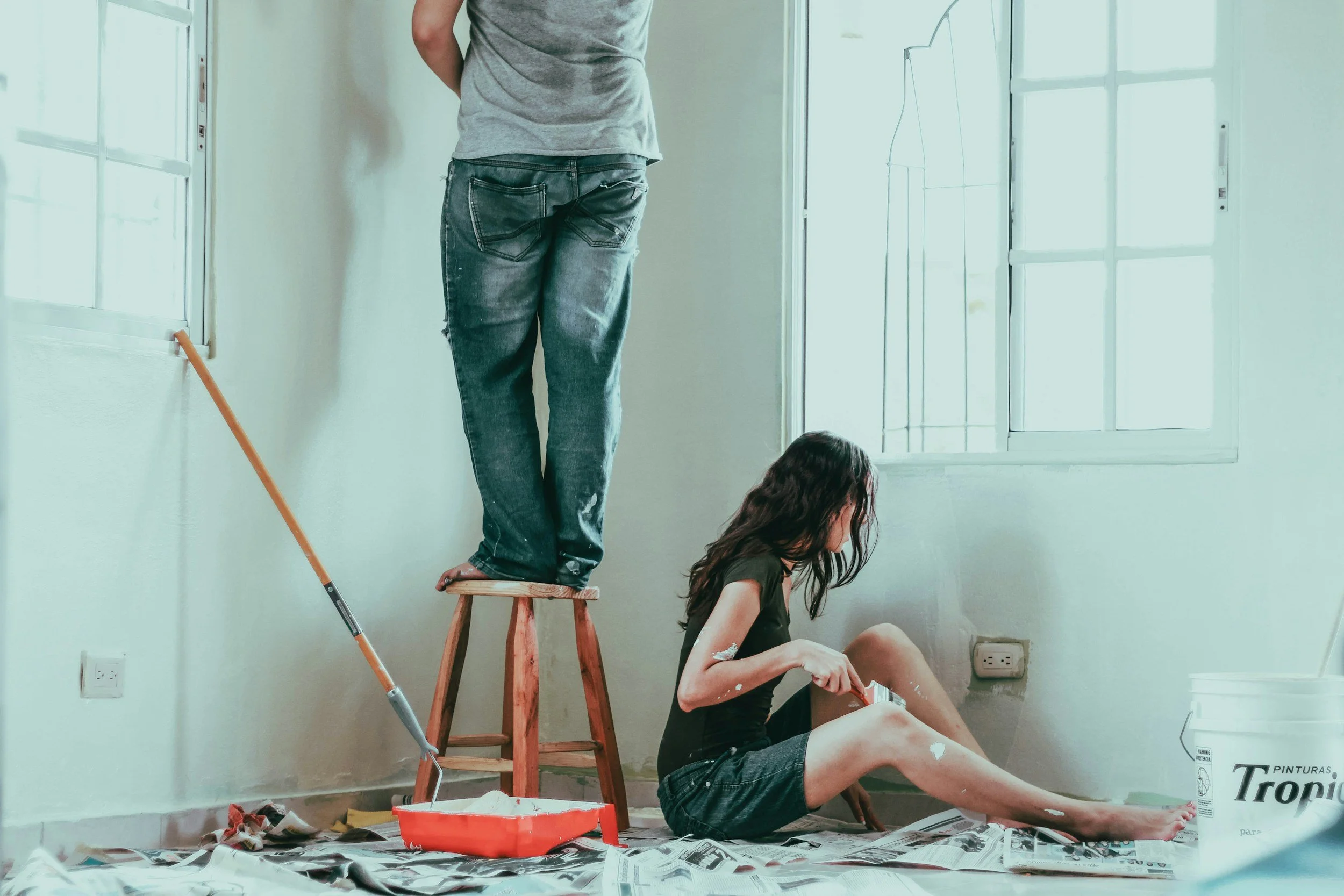
As someone who’s spent over six years in the construction industry, building everything from solar power plants to home renovations, I’ve seen firsthand how DIY projects can go terribly wrong. After graduating from Boise State with a degree in Construction Management, I traveled the U.S. working on diverse projects like casinos, apartment complexes, and office remodels. Through all that experience, one thing became clear: there are certain DIY projects you’re better off avoiding.
Don’t get me wrong—I’m all for saving money and learning new skills, but there are some areas where you just shouldn’t cut corners. In this post, I’ll walk you through some common DIY projects that are best left to the pros. Trust me, it’s not just about avoiding mistakes; it’s about ensuring the safety, quality, and integrity of your home.
1. Electrical Work
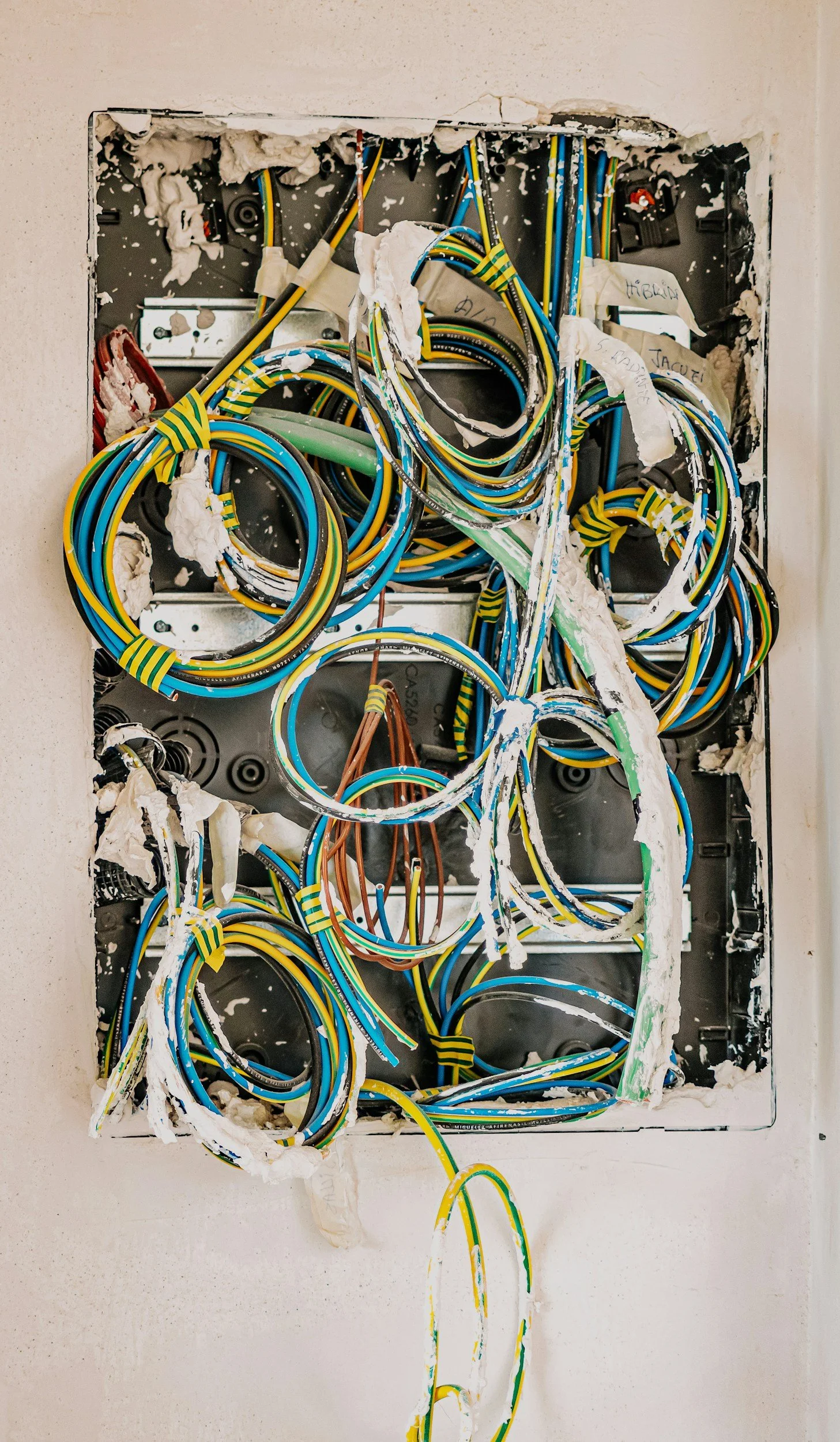
No…your electrical panel should not look like this!
This one should be a no-brainer. If you have no formal training in electrical work, attempting to wire or repair anything in your home is a huge risk. I’ve worked on a few projects where I had to clean up after someone tried to DIY their electrical work. It wasn’t pretty, and it wasn’t safe.
In my experience, messing with electrical systems can cause serious issues, like electrical fires or electrocution. What seems like a simple fix could lead to costly repairs and major hazards. Always hire a licensed electrician for anything involving wiring, circuit breakers, or outlets. It’s just not worth the risk.
2. Plumbing Projects
Plumbing might seem like something you can handle with a few YouTube videos and a wrench, but trust me, it’s a lot more complicated than that. As someone who’s worked on residential and commercial plumbing systems, I’ve seen a lot of DIY disasters in this area.
For example, I once worked on a large office remodel where the previous team tried to fix a leaking pipe themselves. The result? A flooded area that required not only a plumbing expert but also drywall replacements and floor repairs. It ended up being much more expensive than if they had hired a pro from the beginning.
Plumbing mistakes can lead to leaks, water damage, and even structural problems in your home. If you’re dealing with pipes, drains, or water heaters, call a licensed plumber to avoid costly damage down the line.
3. Structural Changes and Demolition
As someone with years of construction experience, I can confidently say that structural changes are not something to take lightly. Removing walls, adding support beams, or altering the load-bearing structure of your home requires an understanding of how the building’s framework works.
During one of my projects, we had to step in and correct the work of a homeowner who had tried to knock down a wall to create an open-concept space. The wall turned out to be load-bearing, which wasn’t obvious at first glance. The result? The homeowner was looking at a potential collapse, and we had to reinforce the structure at a significant cost.
If you’re not sure whether a wall is load-bearing or how to handle structural changes, leave it to the experts. A simple mistake could lead to expensive repairs and serious safety concerns.
4. Roofing Projects
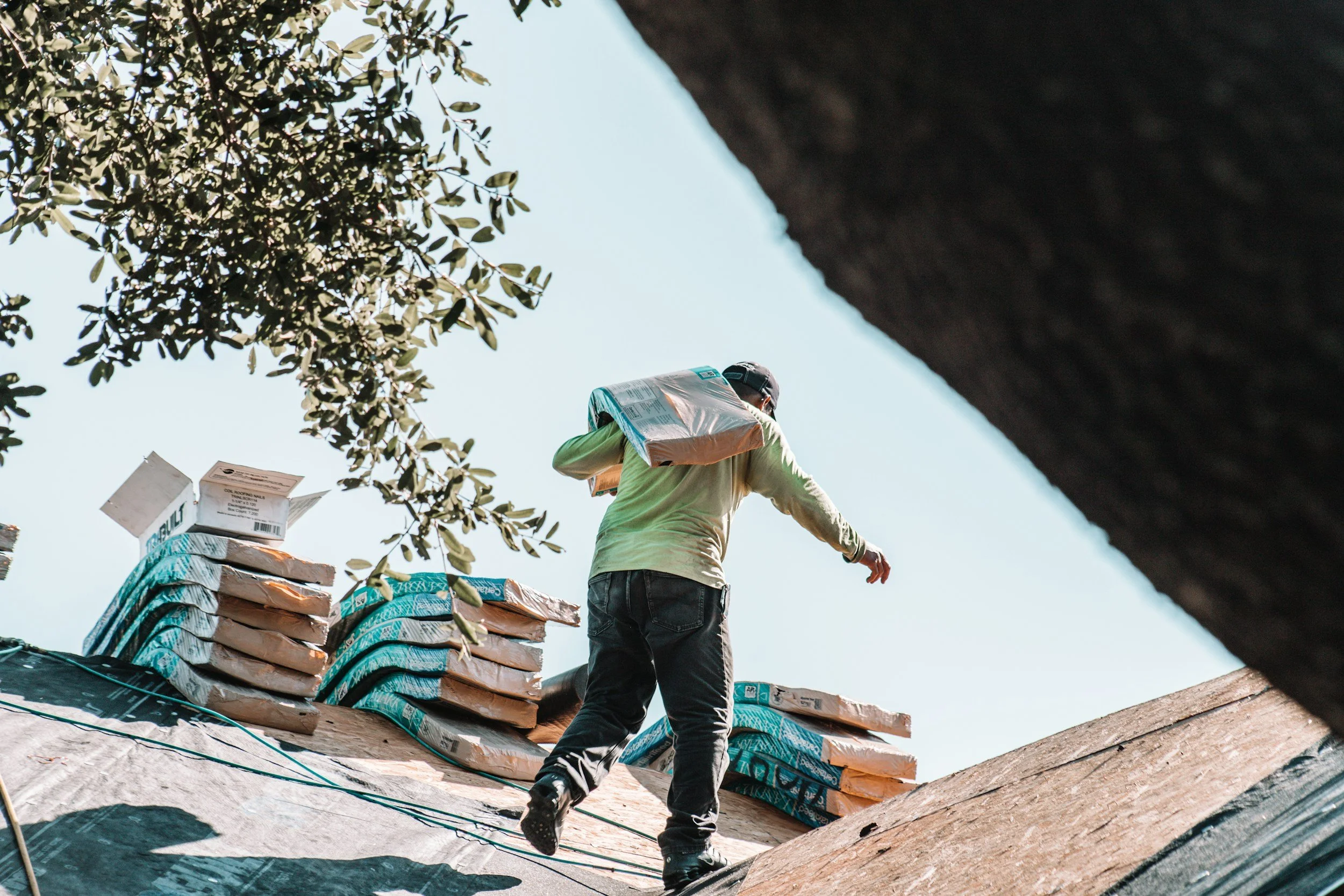
I’ve spent plenty of time working on roof repairs and installations, and let me tell you: roofing is one project you do not want to attempt on your own if you have no experience. The risk of injury is high, and doing it wrong can result in leaks, water damage, or worse.
One of the most common issues I’ve seen is homeowners who try to fix a leaking roof themselves, only to realize they missed something crucial, like damaged shingles or improper flashing. When I worked on a commercial building project, a poor roofing job caused issues months after installation, leading to costly repairs.
Roofing requires the right materials, tools, and knowledge. If you want to avoid unnecessary risk, hire a licensed roofing contractor to ensure the job is done safely and correctly.
5. Major Flooring Installations
Installing flooring might seem simple, but when it comes to hardwood, tile, or even laminate flooring, there are a lot of factors that need to be considered. Getting the proper measurements, ensuring the surface is level, and cutting pieces accurately can be more complicated than it looks.
During a residential remodel, I had a client who attempted to install hardwood flooring themselves. They thought they could save some money, but ended up with uneven floors, visible gaps, and an overall unfinished look. Fixing their mistakes later on was much more expensive than if they had called in a professional from the beginning.
Flooring needs to be installed properly to ensure durability, aesthetics, and safety. If you’re unsure of your skill level, it’s best to bring in someone who has experience with flooring installation.
Final Thoughts: Know When to Call a Pro
While DIY projects can be rewarding and cost-effective, it’s crucial to recognize when your lack of experience could do more harm than good. Having worked across a variety of construction projects, I’ve learned that there are some areas where it’s simply not worth taking the risk. Whether it’s electrical work, plumbing, structural changes, roofing, or flooring, sometimes calling in the experts is the best choice.
So, next time you consider tackling a DIY project, ask yourself: is this something I can really do safely and effectively? If the answer is “no,” don’t hesitate to call in a professional. In the long run, you’ll save time, money, and stress.