
The Rise of Tiny Homes in Phoenix: A New Trend?
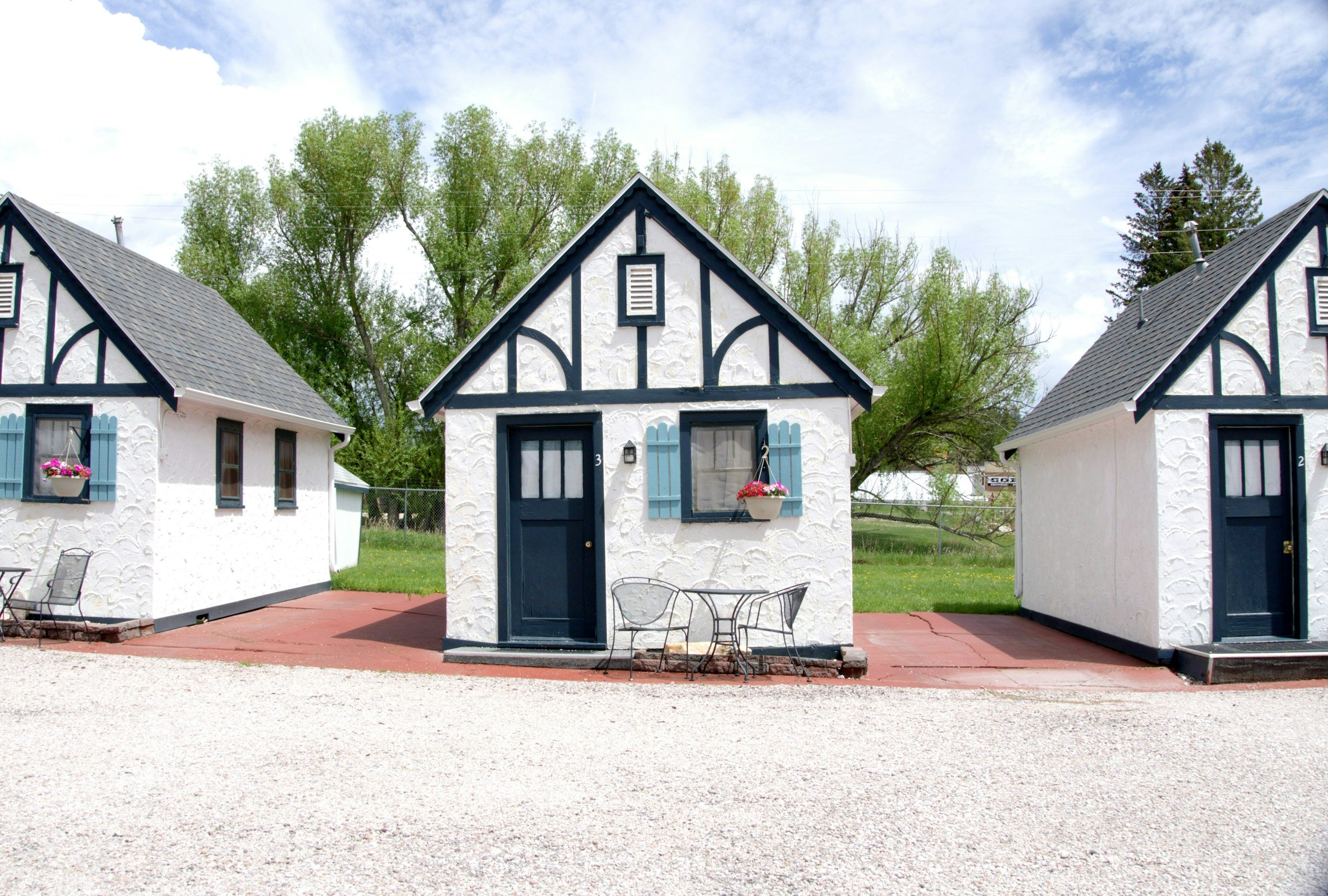
The tiny home movement has seen a surge in popularity across the U.S., and Phoenix, Arizona, is embracing this trend with open arms. As someone with over six years of experience in the construction industry, from solar power plants to home renovations, I've watched as local laws and urban planning shift to accommodate these innovative housing solutions. With new legislation in place, Phoenix is positioning itself as a hub for tiny homes, and the introduction of new laws governing casitas—small guest houses or accessory dwelling units (ADUs)—is a major factor driving this change.
Phoenix’s New Casita Laws: A Game Changer
In 2023, the Phoenix City Council passed a groundbreaking law that allows homeowners to build casitas or ADUs in their backyards. These compact structures, often referred to as tiny homes, offer a flexible and affordable housing option in a city where real estate prices are climbing.
There are a few requirements for these new units, and understanding them can help potential homeowners or builders plan their projects accordingly. Here’s a breakdown of the key specifications:
Size Limitation: The casita must not exceed 1,000 square feet for most properties. This ensures the units stay compact and efficient, fitting seamlessly into residential neighborhoods.
Height Restriction: These units cannot be taller than 15 feet, keeping them low-profile and minimizing the visual impact on the surrounding area.
Basic Amenities: Each casita must have running water and electricity, making it a fully functional living space.
Lease Requirements: Homeowners must offer the casitas for lease for a minimum of 31 days, which ensures they are used as long-term residential spaces and not short-term vacation rentals.
Setbacks: A detached ADU may be located within the required rear yard, subject to the following setbacks:
(1) Minimum ten feet from a street side property line.
(2) Minimum three feet from an interior property line.
(3) No setback is required adjacent to a fully dedicated alley.
From my experience, these new laws present a unique opportunity for homeowners to maximize their property’s potential while contributing to Phoenix’s affordable housing solutions.
The Walkable Urban (WU) Code: Encouraging Sustainable Development
Another factor driving Phoenix’s evolving housing landscape is the Walkable Urban (WU) Code, which regulates development near light rail stations. This code, adopted as part of the Reinvent PHX project in 2015, is designed to create mixed-use, pedestrian-friendly neighborhoods.
Properties within the five Reinvent PHX Transit Oriented Districts (TODs) are subject to rezoning and must comply with the Walkable Urban Code. The idea behind the WU Code is to promote density and mixed-use development near transit hubs, making it easier for residents to live in close proximity to public transportation and key amenities. This is particularly important in a sprawling urban area like Phoenix, where access to reliable transit can often be a challenge.
The Zoning Ordinance: Guiding Development
While the new casita laws and WU Code are important, the Zoning Ordinance still plays a central role in how development happens in Phoenix. The Zoning Ordinance governs land use and development, ensuring that property projects meet the city's standards and align with the community’s needs. The primary goals of the ordinance include:
Public Health and Safety: Ensuring that developments promote the safety and well-being of residents.
Encouraging Appropriate Land Use: The ordinance aims to create an organized and efficient approach to how land is developed and used throughout the city.
Facilitating Public Infrastructure: The ordinance helps ensure that public needs, like transportation, parks, and utilities, are met as new developments arise.
As a construction professional, I’ve had firsthand experience navigating Phoenix’s zoning regulations. These rules help balance the demand for housing with the need to maintain a healthy, livable urban environment. For developers and homeowners alike, understanding the Zoning Ordinance is crucial for ensuring that any construction project, including casitas, complies with local regulations and contributes to the overall growth of the city.
Why Phoenix is a Hot Spot for Tiny Homes
Phoenix is uniquely suited for the tiny home trend due to a combination of its warm climate, open spaces, and evolving zoning laws. The city's affordable housing shortage is a significant concern, and tiny homes provide an innovative way to address that challenge. With the passing of the new casita laws and the Walkable Urban Code, Phoenix is encouraging smaller, sustainable living options that are well-suited to the city’s growing population.
Additionally, with the advent of remote work and lifestyle changes, more people are looking for flexible living options. Whether it’s downsizing, seeking an income-generating rental, or simply opting for a minimalist lifestyle, tiny homes offer a unique and affordable solution.
Challenges and Considerations
While the rise of tiny homes in Phoenix is exciting, there are challenges that homeowners and developers must consider. For instance, the permitting and zoning process can be complex, particularly when integrating casitas into existing neighborhoods. It’s essential for property owners to work with experienced construction professionals who understand the intricacies of Phoenix’s zoning laws and building codes.
Moreover, the potential for overcrowding and the impact of increased density in certain areas must be carefully managed. But with the right planning and collaboration between homeowners, city planners, and developers, these challenges can be overcome.
Final Thoughts: Embracing a New Era of Housing in Phoenix
With the passing of new laws governing the construction of casitas, Phoenix is embracing a shift toward more sustainable, affordable, and flexible housing options. As someone who’s worked on a wide range of construction projects in the Phoenix area, I can confidently say that this trend is only the beginning. With the right balance of regulation and innovation, tiny homes and accessory dwelling units could play a crucial role in shaping the future of Phoenix’s housing market.
Whether you’re considering building a casita, investing in a tiny home, or simply curious about the potential of these new laws, now is the time to explore the possibilities in Phoenix. The city’s evolving policies are setting the stage for a new era of urban living that values efficiency, sustainability, and community—something I’m excited to be part of.
Sources: