
Understanding the Role of a General Contractor in Phoenix AZ
Hiring a general contractor in Phoenix, AZ, is a big decision that can greatly influence the success of your construction project. Whether you're building a new home or renovating an existing space, understanding what to look for in a contractor is crucial. This guide outlines key considerations to help you make an informed choice.
Key Takeaways
Make sure the contractor has experience relevant to your project type.
Check if the contractor is licensed and insured to protect yourself.
Good communication is key; ensure you can talk openly with your contractor.
Get multiple bids to compare prices and services effectively.
Ask for references and check past work to gauge the contractor's quality.
Understanding the Role of a General Contractor in Phoenix AZ
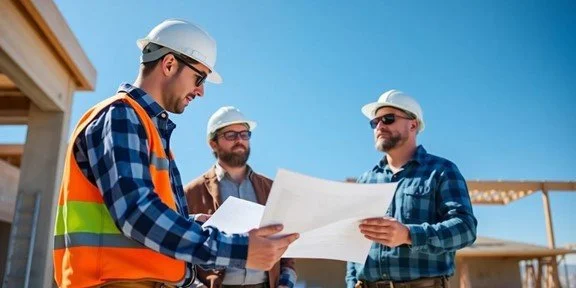
A general contractor plays a crucial role in construction projects, acting as the main point of contact for homeowners and overseeing the entire process. They are responsible for turning plans into reality by managing various aspects of the project.
Defining the Scope of Work
The first step in any construction project is defining the scope of work. This includes:
Understanding the client's vision and requirements.
Outlining the specific tasks and responsibilities.
Setting clear expectations for timelines and budgets.
Coordinating Subcontractors
General contractors coordinate various subcontractors to ensure that each part of the project is completed efficiently. This involves:
Hiring skilled subcontractors for specialized tasks.
Scheduling their work to avoid delays.
Ensuring quality control throughout the project.
Ensuring Compliance with Local Regulations
In Phoenix, AZ, general contractors must comply with local regulations. This includes:
Obtaining necessary permits and licenses, as established by the Registrar of Contractors (AZ ROC), which has been regulating contractors since 1931.
Ensuring that all work meets safety and building codes.
Keeping up with any changes in local laws that may affect the project.
A good general contractor not only manages the project but also acts as a bridge between the homeowner and the various trades involved, ensuring that everything runs smoothly and efficiently.
Evaluating Experience and Expertise
When it comes to hiring a general contractor, experience and expertise are crucial. Here are some key points to consider:
Reviewing Past Projects
Look for a portfolio of completed projects.
Ask for examples of work similar to your project.
Check for quality and style that matches your vision.
Assessing Specializations
Ensure the contractor has experience in your specific project type.
For example, a contractor who specializes in kitchen remodels may not be suitable for a commercial building.
Consider hiring multiple contractors for larger projects to cover different areas of expertise.
Verifying Years in Business
Aim for a contractor with at least five years of experience in the field.
Check their website or ask directly for this information.
A longer history often indicates reliability and skill.
Remember, hiring a contractor with the right adaptability, clear communication, and professionalism can make a significant difference in your project’s success.
Checking Licensing, Insurance, and Credentials
When hiring a general contractor, checking their licensing, insurance, and credentials is crucial. This ensures that you are working with a qualified professional who can handle your project safely and effectively.
Verifying Contractor Licensing
Most states require contractors to have a valid license.
You can check with your local building department to confirm their licensing status.
A licensed contractor has usually passed tests and met specific requirements.
Confirming Insurance Coverage
Ensure the contractor has both liability and workers' compensation insurance.
This protects you from potential damages or injuries that may occur during the project.
Always ask for a certificate of insurance to verify coverage.
Understanding Credential Requirements
Different projects may require different credentials.
Check if the contractor has any special certifications relevant to your project type.
It’s also wise to ask for references and check their past work to ensure quality.
Remember, hiring a contractor without proper licensing and insurance can lead to serious issues down the line. Always do your homework to protect yourself and your investment.
The Importance of Communication and Rapport
Building a Positive Working Relationship
When you hire a general contractor, you’re not just hiring someone to do a job; you’re inviting them into your home and life for a while. A good relationship is key. Make sure you feel comfortable with your contractor and that they are easy to talk to. Trust your instincts about their personality and communication style.
Ensuring Clear Communication Channels
Establishing clear communication is essential. Here are some tips to keep everything running smoothly:
Set regular check-ins, like weekly meetings or phone calls.
Decide on your preferred way to communicate, whether it’s email, text, or phone.
Be responsive to your contractor’s questions to avoid delays.
Handling Disagreements Effectively
Disagreements can happen, but how you handle them matters. Here are steps to manage conflicts:
Address issues as soon as they arise.
Stay calm and approach the situation with a problem-solving mindset.
Document any changes or agreements to avoid confusion later.
Open communication helps everyone stay on the same page and keeps the project moving forward. When challenges arise, effective communication enables head contractors to address issues promptly, identify potential solutions, and keep the project on track.
Understanding the Bidding and Contract Process
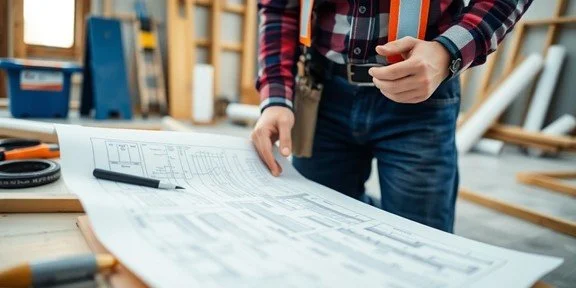
When hiring a general contractor, understanding the bidding and contract process is crucial. This phase helps you learn how each contractor operates and sets the stage for your project.
Requesting and Comparing Bids
Get multiple bids: Always ask several contractors for their estimates. This gives you a better idea of the market rate.
Look for detailed breakdowns: Ensure each bid includes a clear outline of costs, including materials and labor. This transparency helps you spot any major differences between bids.
Beware of low bids: If one bid is much lower than the others, it might mean the contractor is cutting corners or hiding costs.
Clarifying Contract Details
Include all project details: Your contract should have a thorough description of the work, materials, timeline, and payment schedule.
Understand the payment terms: Avoid contractors who demand full payment upfront. A common plan is to pay a third at the start, with the rest tied to project milestones.
Plan for changes: Make sure your contract outlines how to handle changes or disputes, including how they will affect the timeline and budget.
Negotiating Payment Terms
Set a payment schedule: A structured payment plan helps ensure that both you and the contractor stay on track. Payments should be linked to specific project milestones.
Avoid large upfront payments: Paying too much at the start can be risky. A good rule is to start with a small deposit and pay more as the work progresses.
Document everything: Keep all paperwork related to the project, including contracts, invoices, and change orders, in one place.
Understanding the bidding and contract process is essential for a successful project. It helps ensure that both you and the contractor are clear on expectations and responsibilities. This clarity can prevent misunderstandings and lead to a smoother project experience.
Managing Resources and Project Planning
Assessing Contractor Resources
When hiring a general contractor, it’s crucial to evaluate their resources. Here are some key points to consider:
Network of Subcontractors: Does the contractor have reliable subcontractors?
Staff Availability: Are there enough staff members to manage the project effectively?
Local Knowledge: Is the contractor familiar with local regulations and permitting processes?
Planning the Project Timeline
A well-structured timeline is essential for project success. Discuss the following with your contractor:
Realistic Timelines: Ensure the timeline aligns with your expectations.
Potential Delays: Ask about factors that could affect the schedule, like weather or material availability.
Contingency Plans: Make sure the contractor has plans for unexpected delays.
Budgeting and Cost Management
Understanding the budget is vital. Here’s how to manage costs effectively:
Detailed Bids: Request a breakdown of costs, including materials and labor.
Payment Schedule: Establish a payment plan tied to project milestones.
Avoid Low Bids: Be cautious of bids that are significantly lower than others, as they may indicate poor quality or hidden costs.
A clear project plan and budget help ensure that both you and the contractor understand the project scope, costs, and timeline. Improving your project planning for construction jobs can save time and increase your profits.
Questions to Ask Before Hiring a General Contractor
Inquiring About Project Management
When hiring a general contractor, it's essential to ask about their project management style. Here are some questions to consider:
How long have you been in this business?
Will you have a dedicated team working on my job?
How will you clean up at the end of the day?
Discussing Timeline and Budget
Understanding the timeline and budget is crucial for a successful project. Make sure to clarify:
What is our timeline for completion?
What is the payment schedule?
How will additional charges be dealt with?
Clarifying Roles and Responsibilities
It's important to know who is responsible for what during the project. Ask these questions:
Will you obtain the permits and set up the inspections required for this job?
How and where will tools and materials be stored if the job spans multiple days?
What steps will you take to protect my property?
Remember, clear communication is key to a successful project. Establishing a good rapport with your contractor can lead to a smoother process and better results.
Final Thoughts on Hiring a General Contractor
Choosing the right general contractor is a big step in making your home project a success. Take your time to research and ask the right questions. Look for someone with experience, good reviews, and proper licenses. It’s important to feel comfortable with your contractor since you’ll be working closely with them. Remember to get everything in writing and keep track of all documents related to your project. By following these tips, you can find a contractor who will help turn your vision into reality.
Frequently Asked Questions
What should I look for when hiring a general contractor?
When hiring a general contractor, check their experience, past projects, and how well they communicate. It's also important to ensure they are licensed and insured.
How can I verify a contractor's experience?
You can ask for their portfolio, check online reviews, and request references from previous clients to see their past work.
Why is it important to check a contractor's licenses and insurance?
Licenses show that a contractor is qualified, while insurance protects you from any accidents or damages that might happen during the project.
How can I ensure good communication with my contractor?
Make sure to discuss your expectations clearly from the start, and establish how you will communicate throughout the project.
What should I know about the bidding process?
Get multiple bids to compare prices and services. Make sure you understand what each bid includes and ask questions if anything is unclear.
What questions should I ask before hiring a contractor?
Ask about their experience, project timeline, payment schedule, and how they handle issues that may arise during the project.